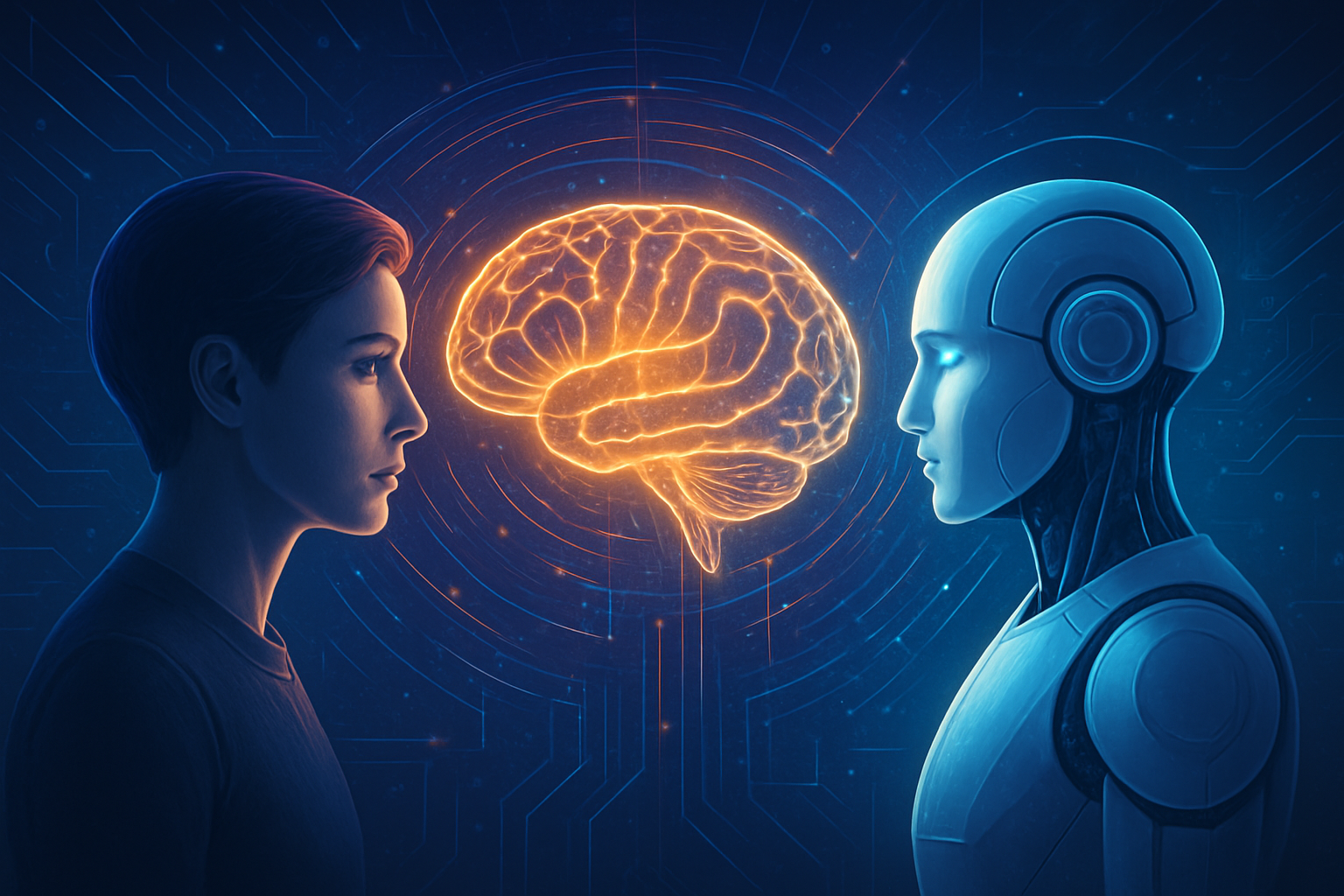
AI and Creative Wellness: Pros and Cons
A reflective exploration of how artificial intelligence intersects with mental health, viewed through the lens of an artist who wanders between studio walls and digital horizons.
Introduction: why this conversation matters
In a world where brushes meet algorithms, AI tools promise accessibility, novel coping strategies, and creative collaboration. Yet they also raise questions about safety, authenticity, and the quality of care. This piece weighs the tangible benefits against the potential harms, offering a grounded, artistically tinged perspective rather than a one-size-fits-all verdict.
Pros: what AI can offer for mental well-being
- Accessibility and immediacy
- AI-powered platforms can provide low-friction support for people with barriers to traditional therapy, such as time, cost, or stigma. This aligns with the broader digital health trend of widening access. (arxiv.org)
- Augmenting, not replacing, human care
- When used as an adjunct, AI can help track mood, surface personalized coping prompts, and support self-care between sessions, potentially reducing strain on overwhelmed systems. (pmc.ncbi.nlm.nih.gov)
- Creative self-expression and reflection
- Generative tools can stimulate imagination, offering novel prompts, visualizations, or journaling insights that artists and changemakers can reinterpret in therapeutic ways. This aligns with the idea that creative practice supports well-being. (protechinsights.com)
- Real-world examples of engagement
- Early observational data from naturalistic cohorts suggest that well-designed AI-based mental health supports can promote social connectedness and symptom relief for some users, though more rigorous trials are needed. (arxiv.org)
Cons and risks: where things get tricky
- Safety, bias, and ethical concerns
- AI in mental health raises ethical questions around privacy, consent, accountability, and bias. Frameworks emphasize careful design, context-specific deployments, and human-in-the-loop oversight. (pmc.ncbi.nlm.nih.gov)
- The danger of overreliance or misrepresentation
- Some platforms market AI as a substitute for licensed care, which can mislead users and delay access to appropriate treatment. Rigorous evaluation and clear disclosures are essential. (medical-news.org)
- Evidence is still evolving
- Systematic reviews highlight that many digital mental health tools show variable evidence of effectiveness, and safety harms must be monitored with proper reporting. This cautions against assuming universal benefits. (bmcpsychiatry.biomedcentral.com)
- Emotional authenticity and the “robot empathy” gap
- While AI can mimic supportive responses, it may lack the genuine empathy and accountability that human clinicians provide, especially in complex cases. This tension is a recurring theme in ethical debates. (axios.com)
Practical guardrails for artists and creators
- Use AI as a companion, not a substitute
- Treat AI tools as a creative partner or self-care aide rather than a replacement for professional health care when needed. Maintain awareness of the tool’s limits and seek human support for high-risk situations. (startribune.com)
- Prioritize privacy and consent
- Choose platforms with transparent data practices and clear user consent mechanisms, especially when any health data is involved. (c4tbh.org)
- Seek evidence and avoid hype
- Look for peer-reviewed studies or well-documented real-world data before relying on a tool for mental health support. (bmcpsychiatry.biomedcentral.com)
- Foster ethical co-creation
- Involve diverse voices in design and deployment to reduce bias and ensure the technology respects different cultural and personal contexts. (ejnpn.springeropen.com)
A poetic close: meeting AI with mindful wonder
AI, like a new color on the palette, can broaden the tonal range of our inner world. It can sketch suggestion lines, map mood textures, and illuminate patterns we couldn’t name alone. But it remains a tool—woven into a larger practice of care, connection, and creativity. Use it bravely, use it critically, and always return to the human center at the heart of healing.
Takeaways
- AI can increase access to support and spark creative reflection, but it is not a universal solution. (arxiv.org)
- Ethical design, transparency, and human oversight are essential to mitigating risks. (pmc.ncbi.nlm.nih.gov)
- For best outcomes, pair AI tools with traditional care and a mindful, artistically rich approach to well-being. (medical-news.org)
References (sources)
- Ethical decision-making for AI in mental health: the Integrated Ethical Approach for Computational Psychiatry (IEACP) framework. https://www.ncbi.nlm.nih.gov/pmc/articles/PMC12315656/
- Regulating AI in mental health: ethics of care perspective. https://www.c4tbh.org/regulating-ai-in-mental-health-ethics-of-care-perspective/
- AI for Mental Health: Exploring Key Ethical Considerations. https://protechinsights.com/blog/ai-for-mental-health-exploring-key-ethical-considerations/
- Mental Health Generative AI is Safe, Promotes Social Health, and Reduces Depression and Anxiety: Real World Evidence from a Naturalistic Cohort. https://arxiv.org/abs/2511.11689
- AI Systems in Text-Based Online Counselling: Ethical Considerations Across Three Implementation Approaches. https://arxiv.org/abs/2601.08878
- Evaluating the evidence: a systematic review of reviews of the effectiveness and safety of digital interventions for ADHD. https://bmcpsychiatry.biomedcentral.com/articles/10.1186/s12888-025-06825-0
- EthicsMH: A Pilot Benchmark for Ethical Reasoning in Mental Health AI. https://arxiv.org/abs/2509.11648
- Sleepio (example of digital CBT for sleep): https://en.wikipedia.org/wiki/Sleepio
- Canada Protocol: an ethical checklist for the use of Artificial Intelligence in Suicide Prevention and Mental Health. https://arxiv.org/abs/1907.07493
- Ethical Use of AI in Mental Health Care. https://www.mentalhealthacademy.com.au/blog/ethical-use-of-artificial-intelligence-in-mental-health-care
- The ethics of AI in mental health (Egyptian Journal of Neurology, Psychiatry and Neurosurgery). https://ejnpn.springeropen.com/articles/10.1186/s41983-023-00735-2